PPC Analytics: Smart Adjustments for Campaign Success
Ever wondered if your pay-per-click (PPC) campaigns are truly hitting their mark? In the fast-evolving digital landscape of 2026, simply running ads isn’t enough. You need to understand what’s working, what’s not, and why – and that’s precisely where PPC analytics comes in.
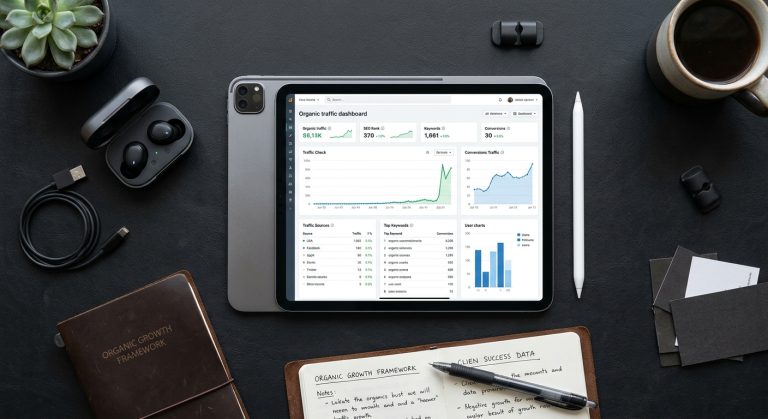
PPC analytics isn’t just about looking at numbers; it’s about translating data into actionable insights that drive real improvements. By meticulously tracking and interpreting performance metrics, businesses can make informed decisions, optimize their ad spend, and ultimately achieve a superior return on investment. To dive deeper into how this transforms campaigns, explore the power of PPC Analytics.
Decoding Your Data: The Core of PPC Analytics
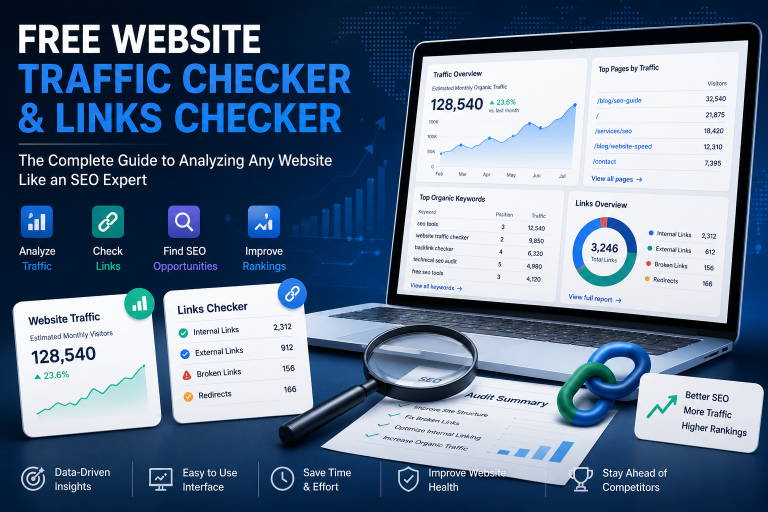
At its heart, PPC analytics is the process of collecting, analyzing, and reporting on data from your PPC campaigns. This involves scrutinizing various metrics like clicks, impressions, click-through rate (CTR), conversion rate, cost-per-click (CPC), and return on ad spend (ROAS). In 2026, advanced AI-powered tools are making this process more streamlined and insightful than ever before, allowing for predictive analysis and automated anomaly detection.
Understanding these metrics in isolation is helpful, but their true power emerges when they are viewed in context. For instance, a high CTR might seem positive, but if it doesn’t lead to conversions, it indicates an issue with landing page experience or audience targeting. Effective PPC analytics helps you connect these dots, revealing the complete picture of your campaign’s health and potential.
Unlocking Insights for Smarter Campaign Adjustments
The real magic of PPC analytics lies in its ability to guide intelligent campaign adjustments. Imagine discovering that a specific keyword, despite generating many clicks, consistently leads to low-value conversions. With this insight, you can reallocate budget to higher-performing keywords or refine your ad copy to better qualify leads, preventing wasted spend.
Furthermore, analytics helps in identifying trends over time. Perhaps your mobile ad performance dips significantly on weekends, or certain geographic regions consistently outperform others. By recognizing these patterns through detailed reports, you can schedule ads more strategically, adjust bids based on device or location, and tailor your messaging to resonate with specific segments of your audience, enhancing overall campaign efficiency.
Leveraging Audience Insights with PPC Analytics
Beyond campaign performance, PPC analytics provides invaluable insights into your target audience. By examining demographic data, user behavior on your site, and conversion paths, you can build a richer profile of who is engaging with your ads and converting. This understanding allows for more precise audience segmentation and personalized ad experiences, a critical factor for success in 2026’s competitive landscape.
For example, if analytics reveals that a particular age group engaging with your ads tends to convert better after interacting with a video ad, you can prioritize video content for that segment. Conversely, if another group responds better to text-based ads with clear calls to action, you can adjust your creative strategy accordingly. This granular approach ensures your ad spend is always directed towards the most receptive audiences.
Optimizing Bid Strategies and Budget Allocation
PPC analytics is indispensable for optimizing your bidding strategies and budget allocation. By closely monitoring CPC and conversion costs across different keywords, ad groups, and campaigns, you can identify opportunities to lower costs while maintaining or even increasing performance. This might involve adjusting bids for underperforming keywords or reallocating budget from less effective campaigns to those with higher ROAS.
Many platforms now integrate advanced machine learning for automated bidding, but even these sophisticated systems benefit from human oversight informed by deep PPC analytics. You can provide strategic guidance, set guardrails, and fine-tune automation based on insights that go beyond what an algorithm might initially detect, ensuring your budget is always working its hardest for your business.
Frequently Asked Questions
Q: What is the primary goal of PPC analytics?
A: The primary goal is to transform raw campaign data into actionable insights that enable smart, data-driven adjustments to improve campaign performance, optimize ad spend, and increase ROI.
Q: What key metrics should I focus on in 2026?
A: While traditional metrics like CTR, CPC, and conversions remain vital, in 2026, focus also on ROAS, customer lifetime value (CLTV) derived from PPC, and cross-channel attribution to understand the full impact of your campaigns.
Q: How often should I review my PPC analytics?
A: The frequency depends on your campaign’s budget and activity, but daily or weekly checks for high-spend campaigns are recommended. Deeper monthly or quarterly reviews are crucial for strategic adjustments and trend analysis.
Q: Can PPC analytics help with A/B testing?
A: Absolutely! PPC analytics is fundamental for A/B testing, allowing you to accurately measure the performance differences between ad variations, landing pages, or bidding strategies, and determine which elements yield better results.
Q: What are the biggest challenges in PPC analytics?
A: Common challenges include data overload, attributing conversions accurately